Source Medical Instruments Power Supply for Diagnosis Monitoring
Source medical instruments power supply from 30 verified suppliers offering OEM/ODM services. Compare specifications like output power, certifications, and dimensions for diagnostic and monitoring equipment needs. Explore options with CCC, TUV, and UL approvals suitable for physiological functions of diagnosis and monitoring equipment.
Key considerations
Products List


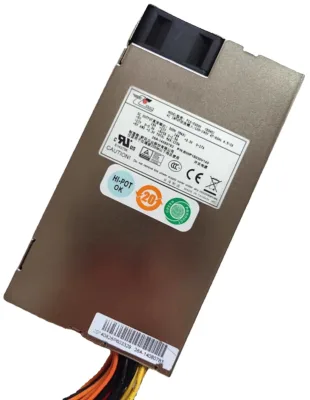


Comprehensive Sourcing Guide
Medical Instruments Power Supply Sourcing Guide
Procuring power supplies for medical instruments requires distinguishing between general-purpose adapters and specialized units designed for physiological monitoring. The observed market includes models explicitly classified for the diagnosis and monitoring of physiological functions, which demand stricter isolation and leakage current controls than standard consumer electronics. Buyers must verify that the specific unit's internal structure, such as On-Off or Half-Bridge types, aligns with the sensitivity of the connected medical device to prevent signal interference or safety hazards.
Selection also depends on the intended connection method and output configuration, as some listings indicate Desktop or Plug-In connections with varying output types like DC or AC. While some products are marketed for general usage like phones or game players, medical applications require rigorous validation of the output voltage and current stability, particularly for lithium battery charging or sensitive diagnostic equipment. Ensuring the power source matches the exact input requirements, such as 100-240VAC, is critical for global deployment without risking equipment damage or patient safety.
Product Scope and Observed Listing Signals
The current market landscape reveals a diverse range of power supply models, from compact 12W units to higher capacity options exceeding 100W, with specific model numbers like YS12, YS90, and YSI-120 appearing frequently. These listings often highlight customization availability and OEM/ODM services, suggesting that manufacturers can tailor dimensions and output characteristics to fit specific medical device enclosures. However, buyers must carefully scrutinize the product name and usage fields, as some items are labeled for general consumer electronics like digital cameras or mobile phones rather than medical-grade applications.
Packaging and physical dimensions vary significantly across suppliers, with some units measuring as small as 692738mm while others reach 115.55633mm, impacting integration into portable or fixed medical hardware. The observed weight ranges from 76g for lighter units to heavier variants, which influences the portability of the final medical instrument. Procurement teams should note that while many products originate from Zhejiang or Ningbo, China, the specific origin location does not guarantee medical compliance, and the listed usage must be explicitly confirmed as suitable for medical environments before proceeding with an order.
Technical Specifications to Verify
Technical verification must begin with the output voltage and current stability, as medical devices often require precise regulation to ensure accurate diagnostic readings. Listings show output voltages ranging from 4.2V to 12.6V for battery charging, but medical instruments may require different constant current profiles or specific DC/AC configurations. Buyers should demand detailed datasheets confirming the output current range, such as 0.1-2A, and verify that the inrush current limits, potentially up to 65 AMPS, will not trip the facility's circuit breakers or damage sensitive internal components during startup.
Input specifications and power source topology are equally critical, with some units utilizing Half-Bridge Type structures that offer specific efficiency and noise reduction benefits. The input voltage range of 100-240VAC 50/60Hz is common, but the maximum input current of 0.5A must be validated against the local power infrastructure to prevent overheating. Additionally, the internal structure, whether On-Off or other types, dictates the electromagnetic compatibility and thermal performance, requiring buyers to ensure the physical dimensions and weight align with the thermal management strategy of the medical device housing.
Compliance and Safety Documentation
Safety compliance is non-negotiable for medical power supplies, and buyers must verify that the unit holds certifications specifically relevant to medical equipment, such as CCC, ISO, UL, and TUV. While some listings mention general certifications like CE, EMC, RoHS, and Reach, these are often standard for consumer electronics and may not suffice for devices classified under physiological functions of diagnosis and monitoring. Procurement teams should explicitly request evidence of compliance with medical-specific standards, ensuring the product is not merely a repurposed consumer adapter but a unit designed to meet the rigorous isolation and leakage current requirements of the healthcare sector.
Documentation must also confirm the product's classification and intended group usage, ensuring it is suitable for middle-aged and old patient demographics where safety margins are paramount. The presence of a "Physiological Functions of Diagnosis and Monitoring Equipment" classification in some listings is a strong indicator of medical intent, but this must be backed by valid test reports and a clear statement of conformity. Buyers should avoid relying solely on generic "Certificated" labels and instead demand specific test data proving the unit meets the necessary safety standards for continuous operation in a clinical setting.
Cost Drivers and Commercial Terms
Cost structures for medical power supplies are influenced by the level of customization, certification depth, and the complexity of the internal power architecture. Units offering OEM/ODM services and specific model adaptations typically command higher prices due to the engineering effort required to meet unique medical device specifications. The observed MOQ ranges from 1 set to 1000 units, allowing for flexible procurement strategies, but buyers should be aware that lower MOQs often come with a premium per-unit cost, while bulk orders may reduce the price but require significant upfront capital and storage capacity.
Commercial terms also include sample availability, with some suppliers offering free samples to facilitate technical validation before mass production. However, the cost of shipping and the lead time for custom configurations can significantly impact the total cost of ownership. Buyers should negotiate clear terms regarding the packing specifications, such as PE bags, white boxes, or cartons with specific dimensions, as these affect logistics costs and the efficiency of the assembly line. Understanding the full cost driver, including the potential need for specialized packaging to protect sensitive medical components during transit, is essential for accurate budgeting.
Supplier Qualification and Quality Control
Supplier qualification requires a thorough review of their manufacturing capabilities and their history of producing medical-grade components. The presence of services like One-Stop Solutions and OEM/ODM indicates a supplier's ability to handle complex requirements, but buyers must verify their quality control processes to ensure consistency across batches. It is crucial to confirm that the supplier has a robust system for managing the production of units with specific certifications like ISOCE and that they maintain strict control over the internal structure and output parameters of each unit.
Quality control checks should extend to the physical attributes of the product, such as the consistency of dimensions and weight, which are critical for fitting into medical device enclosures. Buyers should request a detailed quality assurance plan that covers the testing of inrush current, input current, and output voltage stability under various load conditions. Additionally, verifying the supplier's ability to provide traceability for raw materials and components used in the power supply is essential to ensure that the final product meets the stringent safety and performance standards required for medical applications.
Long-Term Procurement Checks
Long-term procurement success depends on establishing a reliable supply chain that can sustain consistent quality and availability over the product lifecycle. Buyers should implement a schedule for periodic re-verification of certifications and compliance status, as regulatory requirements for medical devices can evolve and render previously approved components obsolete. Maintaining a relationship with the supplier to ensure they can adapt to new standards, such as updates to IEC 60601, is vital for the continued safety and legality of the medical instruments in the field.
Regular audits of the supplier's production lines and quality control records help mitigate the risk of defects and ensure that the power supplies continue to meet the specified technical parameters. Buyers should also monitor the supplier's inventory levels and lead times to prevent supply chain disruptions that could halt medical device production. Establishing clear communication channels for reporting any performance issues or deviations in product attributes ensures that corrective actions can be taken promptly, safeguarding the reputation and safety of the medical devices powered by these units.
FAQs
What output power ranges are available for medical power supplies?
Available output power ranges typically span from 101 to 200 watts for specific high-capacity models. Single output configurations are standard for many units. Buyers should verify exact wattage requirements against specific product models like YSI-120 to ensure compatibility with their medical device power needs.
Can these power supplies be customized for specific medical devices?
Yes, customization is available for many medical power supply units. OEM and ODM services allow manufacturers to tailor products to specific device requirements. Buyers can request custom specifications to ensure the power source integrates seamlessly with their unique medical equipment designs and operational parameters.
What certifications are required for medical power supply suppliers?
Common certifications include CCC, ISO, UL, RoHS, and TUV. Some models also meet CE and EMC standards. These approvals ensure compliance with international safety and quality regulations. Buyers must verify that the specific supplier holds the necessary certifications for their target market to ensure regulatory compliance.
What is the typical MOQ for medical power supply orders?
The minimum order quantity typically ranges from 1 to 1000 units. Some suppliers offer low MOQs starting at just one set for sampling or small batches. Buyers should confirm the specific MOQ with the supplier, as it varies based on customization needs and production capacity constraints.
Where are medical power supply manufacturers primarily located?
Manufacturers are primarily located in China, with specific hubs in Zhejiang and Ningbo. These regions offer robust supply chains for electronic components. Buyers sourcing from these locations benefit from established manufacturing ecosystems, though they should verify specific factory locations and logistics capabilities for their orders.
What input voltage specifications do these power supplies support?
Many models support a wide input voltage range of 100-240VAC at 50/60Hz. This universal input capability allows use in various global markets. Buyers should check specific model datasheets to confirm input compatibility with their local power grid standards and ensure safe operation for their medical devices.